
The Texas real estate market has always been shaped by a simple truth: what goes up can come down — and when conditions shift, they can shift fast. In 2026, that reality is front and center for Texas homeowners, buyers, investors, and real estate attorneys alike.

The 30-year fixed mortgage rate sits at approximately 6.54% as of mid-2026, according to Bankrate — well above the pandemic-era lows that fueled Texas’s explosive price growth, and significantly higher than what many buyers can comfortably absorb. Meanwhile, statewide active inventory has climbed to over 141,000 homes, with a median of 82 days on market — the longest in over a decade.

This is not 2008. But it is a market where the risks are real, the signals are worth watching, and the legal consequences of a downturn matter for property owners across Houston, San Antonio, and the rest of Texas.

What Drives Texas Real Estate Market Declines?

Texas real estate has a long history of weathering national storms better than most states. Strong job growth, in-migration from higher-cost markets, and a lack of state income tax have historically supported demand. But local market strength does not make Texas immune to the forces that cause real estate markets to fall. Here are the five most significant risk factors in play right now.

1. Mortgage Rates Remain Elevated

The historical 40-year average 30-year mortgage rate sits around 7.7%. After the near-zero pandemic era, today’s rates near 6.5% may feel high — but they are not historically unusual. What matters is the adjustment. Texas home prices appreciated dramatically during the 2020–2022 period when rates were at historic lows. Buyers who stretched to purchase at peak prices at peak affordability are now sitting on homes that are harder to sell, refinance, or leverage.

According to the Texas Real Estate Research Center at Texas A&M University, the 2026 market has been more constrained than expected because mortgage rates did not fall as far as originally forecast. Rate-sensitive buyers remain on the sidelines, and sellers are increasingly having to accept price cuts to move properties.

2. Inventory Has Surged to Decade Highs

One of the most significant shifts in the Texas market has been the rapid rise in available homes. Active inventory across Texas stood at over 141,000 units as of March 2026 — representing approximately 10 months of supply. By comparison, a balanced market is generally considered to have 4–6 months of supply. A market with 10 months of inventory favors buyers significantly, puts downward pressure on prices, and creates real risks for sellers and investors who purchased at higher valuations.

3. Affordability Has Deteriorated Sharply

Texas home prices rose dramatically during the pandemic — in some markets by 40% or more. That appreciation, combined with today’s elevated mortgage rates, has created an affordability gap that is constraining demand. The statewide median sale price was $341,800 in March 2026, down 1.8% year over year. While that decline is modest, it reflects a fundamental affordability ceiling — many Texas buyers simply cannot qualify for or afford the mortgage payments required at current prices and rates.

4. Employment and Economic Uncertainty

Texas real estate has historically been tied closely to energy sector employment — particularly in Houston. When oil prices decline or energy sector employment contracts, Houston and surrounding markets feel it directly. Beyond energy, the broader economic uncertainty of 2026 — including tariff impacts, federal government workforce reductions, and slowing national job growth — has created caution among buyers and investors that was absent during the 2020–2022 boom.

5. Investor Pullback and Short-Term Rental Market Softening

During the pandemic era, institutional investors and individual real estate investors purchased Texas properties at an accelerated pace, betting on continued price appreciation and strong rental demand. As rates have risen, cap rates have compressed, and many of those properties are no longer cash-flowing at their acquisition prices. Investor sell-offs add supply to an already well-supplied market and can accelerate price declines in markets where investor concentration is high.

How Fast Can the Texas Real Estate Market Fall?

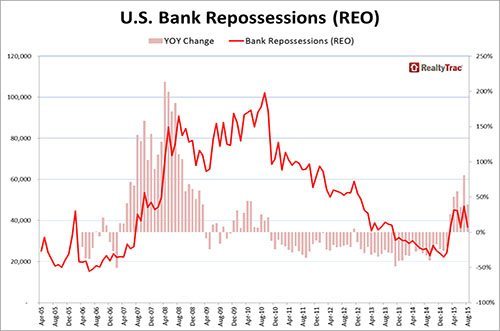
History provides important context. The 2026 Texas market is not analogous to 2008, when rampant subprime lending, fraudulent securitization, and a national banking crisis combined to produce catastrophic price declines. Today’s Texas homeowners carry significantly more equity, lending standards are stricter, and the state’s economic fundamentals remain strong.

That said, markets can move quickly when sentiment shifts. The table below summarizes the current conditions and their risk implications:

Risk FactorCurrent Condition (2026)Market Impact
Mortgage rates~6.54% (30-yr fixed)Suppresses buyer demand; limits affordability
Active inventory141,000+ units statewide; ~10 months supplyStrong buyer leverage; price pressure on sellers
Median days on market82 days (up 12 from prior year)Homes sitting longer; sellers cutting prices
Median sale price$341,800 (down 1.8% YOY)Modest decline; affordability ceiling evident
Investor activityDecliningReduced demand; additional sell-off supply risk

Sources: Texas Real Estate Research Center Spring 2026 Housing Report; Redfin Texas Housing Market (March 2026); Bankrate Mortgage Rates (May 2026).

What Does a Market Downturn Mean for Texas Property Owners Legally?

A softening real estate market does not just affect home values — it creates legal complications for Texas property owners that are important to understand before they arise.

  • Foreclosure risk increases. As property values decline, homeowners who purchased at peak prices with minimal down payments may find themselves underwater — owing more than the property is worth. This creates heightened foreclosure risk, particularly if they face job loss or other financial stress. Understanding your rights if a foreclosure is initiated — including your right to proper notice and the potential for a wrongful foreclosure claim — is essential. See: What Is a Wrongful Foreclosure in Texas?
  • Contract disputes become more common. When buyers and sellers made agreements in a rising market and now face a declining one, breaches of contract become more frequent. Sellers may try to back out of contracts to avoid selling at below-peak prices. Buyers who purchased investment properties may attempt to renegotiate or walk away. See: What Happens When a Real Estate Contract Is Breached in Texas?
  • Title and co-ownership disputes surface. When a property’s value declines, co-owners who previously agreed on everything may suddenly disagree on whether to sell, hold, or refinance. Partition lawsuits become more common in down markets. See: What Is a Partition Lawsuit in Texas Real Estate?
  • Deed and title defects matter more. In a rising market, buyers overlook minor title defects because appreciation covers their risk. In a flat or declining market, defects that would have been ignored become deal-killers and litigation triggers. Clearing clouds on title before listing becomes critical. See: How Do You Remove a Cloud on Title in Texas?

Is a Texas Real Estate Market Crash Coming in 2026?

Most credible forecasts do not predict a dramatic crash. The Texas Real Estate Research Center projects modest 2.5% sales growth and a year-end median near $334,000 for full-year 2026 — a soft landing rather than a collapse. Texas’s population growth, job market, and relative affordability compared to coastal markets provide a fundamental floor under demand.

However, local conditions vary significantly. Austin has already seen sharper corrections than the statewide average. Specific submarkets, property types (particularly investor-heavy condo markets), and overbuilt new construction corridors face more acute risk than the aggregate numbers suggest.

The honest answer: a crash is unlikely, but a prolonged period of softness — flat to modestly declining prices, slower sales, and increased seller concessions — is already underway in many Texas markets and could deepen if mortgage rates do not fall meaningfully in the second half of 2026.

Frequently Asked Questions

Will Texas home prices drop in 2026?

Modestly, in some markets. The statewide median was down 1.8% year over year as of March 2026, and further modest declines are possible in markets with the most elevated inventory. A dramatic crash is not the consensus forecast, but flat to slightly declining prices in many Texas metros is a reasonable expectation through mid-2026.

Is now a good time to buy real estate in Texas?

From a buyer’s leverage standpoint, conditions in 2026 are significantly more favorable than 2021–2022. Inventory is high, days on market are long, and sellers are accepting concessions. The constraint is affordability — mortgage rates near 6.5% are manageable for buyers with strong credit and solid down payments, but stretch the budget for many first-time buyers.

What happens to real estate contracts when the market falls?

Contract disputes become more frequent in declining markets. Sellers who accepted offers in a falling market may look for reasons to terminate. Buyers may discover appraisals coming in below contract price, triggering renegotiation or termination rights depending on the contract terms. Having clear, enforceable contract language is critical in a volatile market.

Can falling home values trigger a foreclosure in Texas?

Not directly — lenders cannot foreclose simply because a home’s value has declined. However, falling values reduce the equity cushion that protects homeowners who face payment difficulties. A homeowner who is both underwater on their mortgage and unable to make payments has fewer options to avoid foreclosure than one with significant equity. Understanding your foreclosure rights in Texas is important if you find yourself in that situation.

Protecting Your Texas Real Estate Investment in Any Market

Whether the market is rising, flat, or falling, the legal fundamentals of Texas real estate remain the same — clear title, enforceable contracts, and protected ownership rights. Guerra Days Law Group helps Houston, San Antonio, and Texas-wide property owners navigate real estate disputes, contract breaches, title defects, and foreclosure challenges at every stage of the market cycle.

Call us at 281.760.4295, email contact@guerradays.com, or contact us online to discuss your Texas real estate situation today.